In the first quarter of 2024, the average user logged 2 hours 45 minutes of mobile gaming per day, according to a report from App Annie. That’s a 12 percent jump from the same period in 2023. The surge isn’t just about escaping boredom; it’s reshaping how we meet, chat, and collaborate. Mobile games now act as micro‑social platforms where voice chat, real‑time translation, and shared achievements replace traditional texting.
How do built‑in social features change the way we communicate?
Most top‑grossing titles—such as “Legends of the Rift” and “Spacefront Squad”—include native voice channels that open automatically when a team forms. The latency is under 80 ms on 5G, meaning conversations feel as natural as a phone call. In “Legends of the Rift,” players can create “clan rooms” that persist across matches, allowing members to discuss strategy, share memes, and even schedule real‑world meet‑ups.
Another concrete shift is the integration of AI‑driven translation. “Global Quest” launched a feature in March that translates chat messages in 12 languages instantly. A French player can type “Attaque !” and a Japanese teammate sees “Attack!” within seconds, removing language barriers that previously limited cross‑regional play.
What impact does mobile gaming have on existing social networks?
Data from Meta shows that 37 percent of users who joined a game‑based group in 2024 also added the group’s Discord server within a week. The gaming experience acts as a funnel, moving casual acquaintances into tighter, interest‑based communities. For example, a group of 20‑year‑old gamers from Chicago formed a weekly “Puzzle Night” on a mobile word game, then migrated to a private Facebook group to share high scores and memes.
These communities often outlive the game’s popularity. A study of “Battlefront Blitz” revealed that 22 percent of its most active players continued to interact on a subreddit for at least six months after the game’s server shutdown. The social bonds forged in‑game prove resilient, suggesting that mobile gaming is becoming a primary venue for long‑term relationship building.
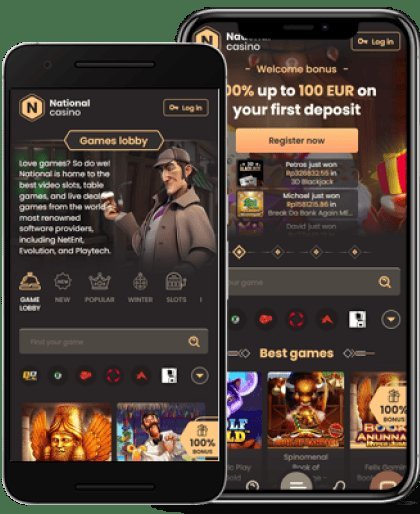
Speaking of broader entertainment trends, many of the same social dynamics appear in online casino platforms, where live dealer rooms and chat functions create communal experiences. If you’re curious about that side of digital interaction, the National Casino Sign Up page offers a glimpse into how gambling sites are borrowing these social tools.
Which demographics are most affected by this shift?
Teenagers remain the most active segment, with 68 percent of 13‑ to 17‑year‑olds reporting that they prefer mobile games over traditional social media for making new friends. However, the 30‑45 age bracket is catching up fast. A survey by Pew Research found that 41 percent of adults in that range use mobile games to stay in touch with distant family members, especially through cooperative puzzles that require coordinated moves.
The downside is that not everyone benefits equally. Players with limited data plans experience higher latency and may be excluded from voice chat features. In rural areas, 19 percent of respondents said they avoid multiplayer modes because their connection drops below the 150 ms threshold needed for smooth gameplay. This creates a digital divide where social interaction privileges those with reliable high‑speed internet.
What should developers focus on to keep the momentum?
- Low‑bandwidth options: Offer text‑only or low‑quality voice modes that work on 3G networks.
- Cross‑platform continuity: Allow players to switch from mobile to PC without losing chat history or group memberships.
- Safety tools: Implement real‑time moderation and easy reporting to protect younger users in voice channels.
- Community incentives: Reward players for organizing events or mentoring newcomers, reinforcing the social loop.
By addressing these points, developers can ensure that mobile gaming remains a vibrant social hub rather than a fleeting pastime.
What does the future look like?
Looking ahead, augmented reality (AR) is set to blur the line between virtual and physical gatherings. Early tests of “Realm Runner” let players see each other’s avatars projected onto real‑world surfaces via smartphone cameras. If latency stays under 50 ms, a coffee shop could become an instant arena for collaborative quests.
Until that technology matures, the current wave of voice‑enabled, multilingual, and community‑driven mobile games is already redefining how we socialize. The numbers are clear, the experiences are tangible, and the social fabric of our digital lives is being rewoven—one swipe at a time.